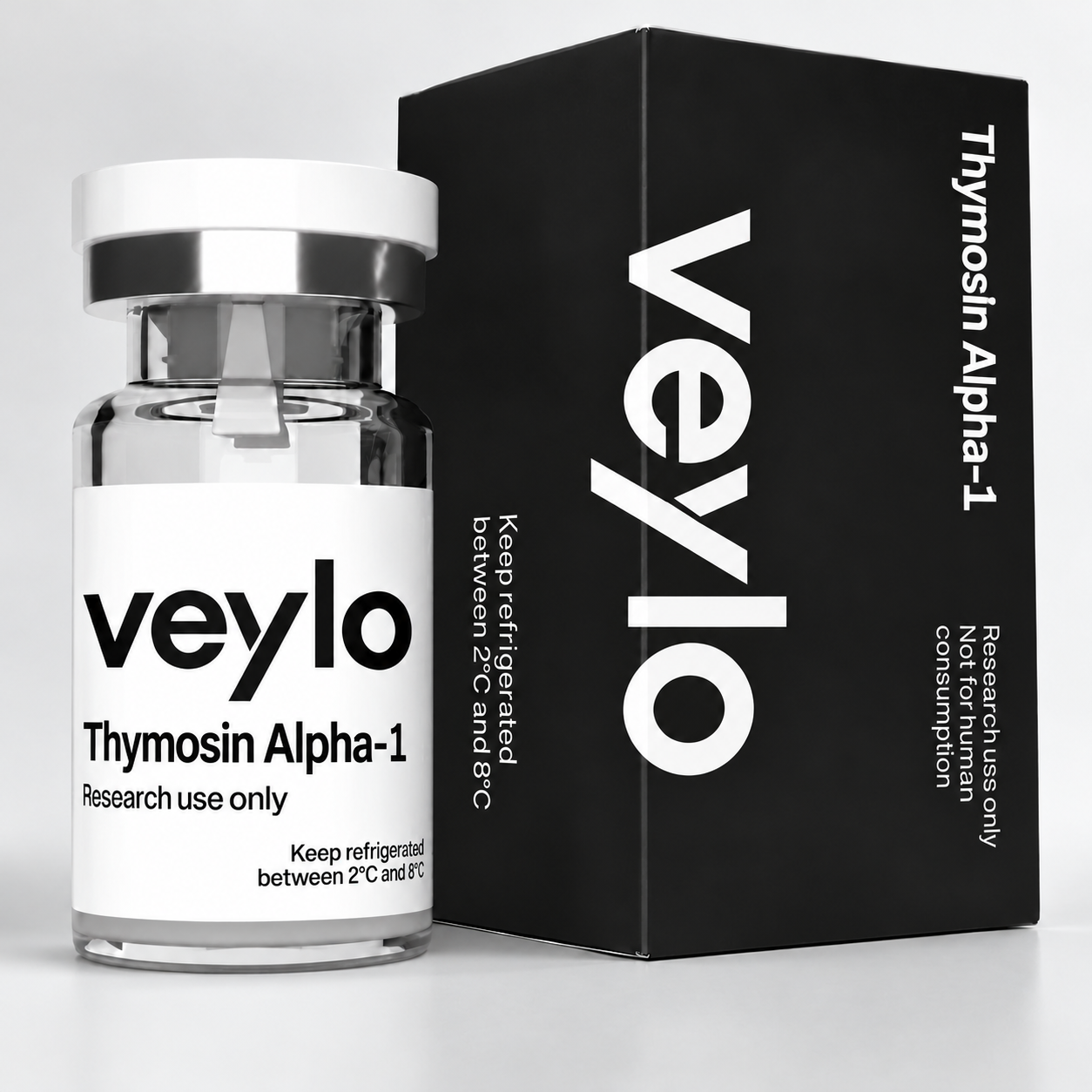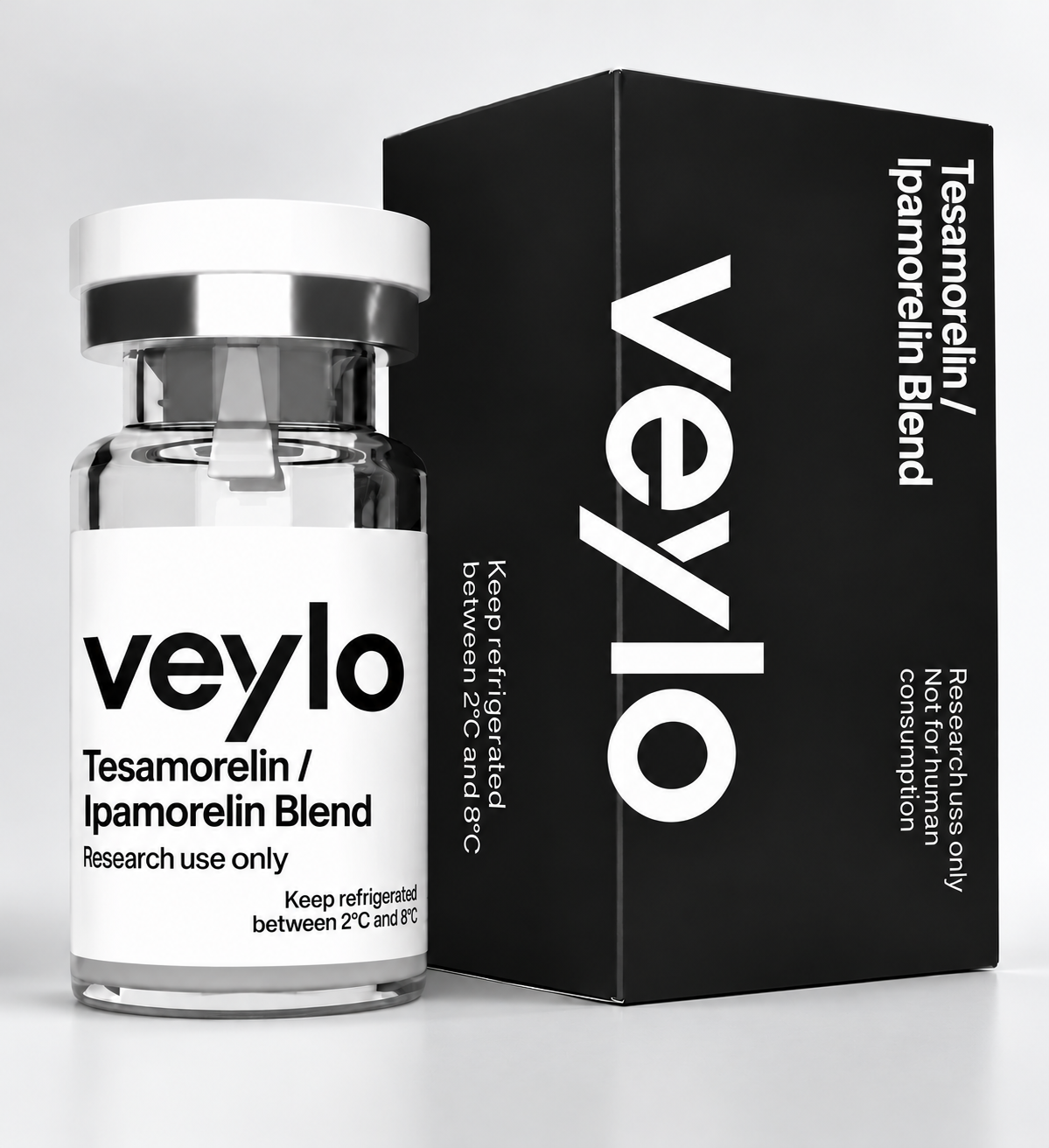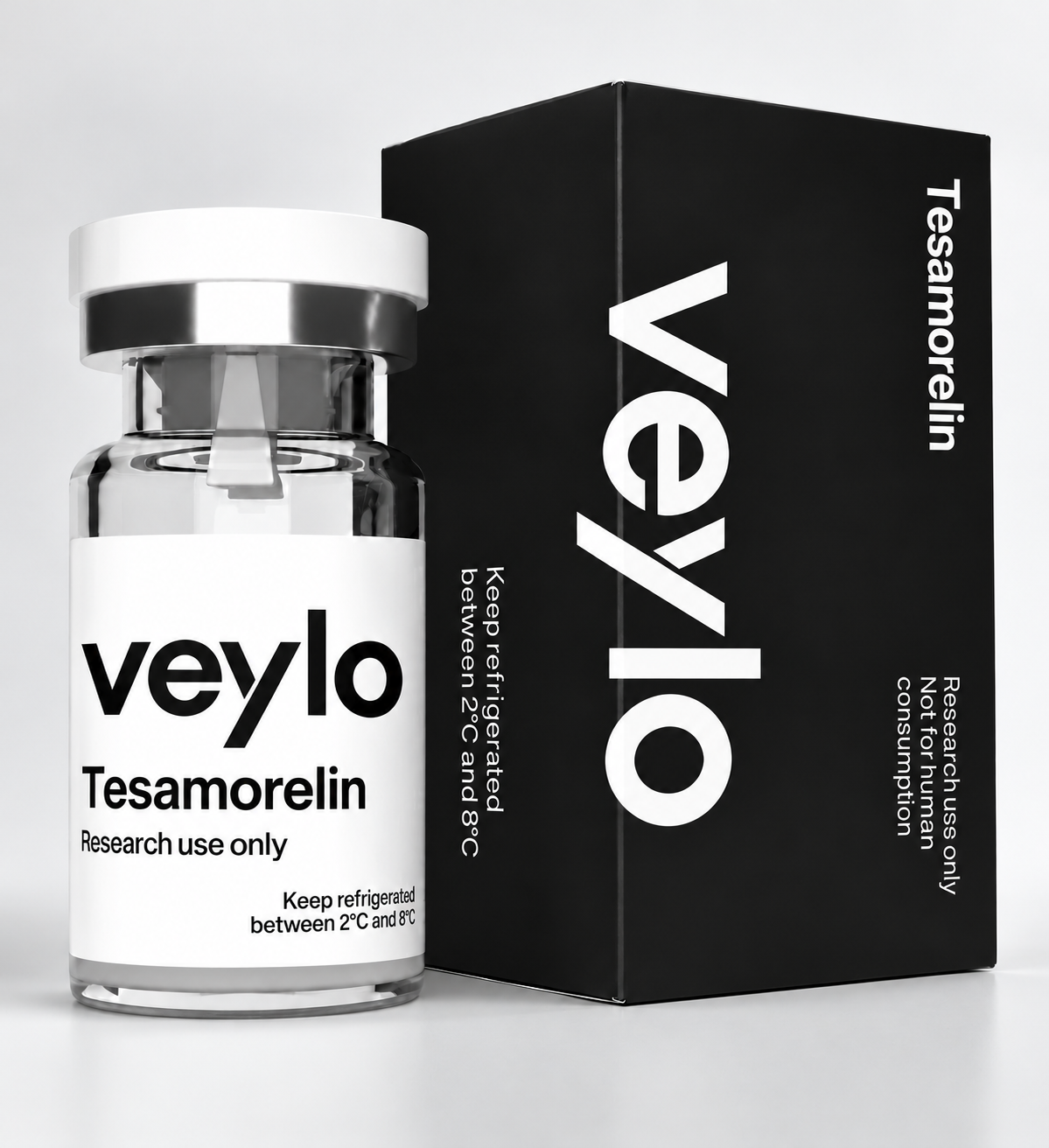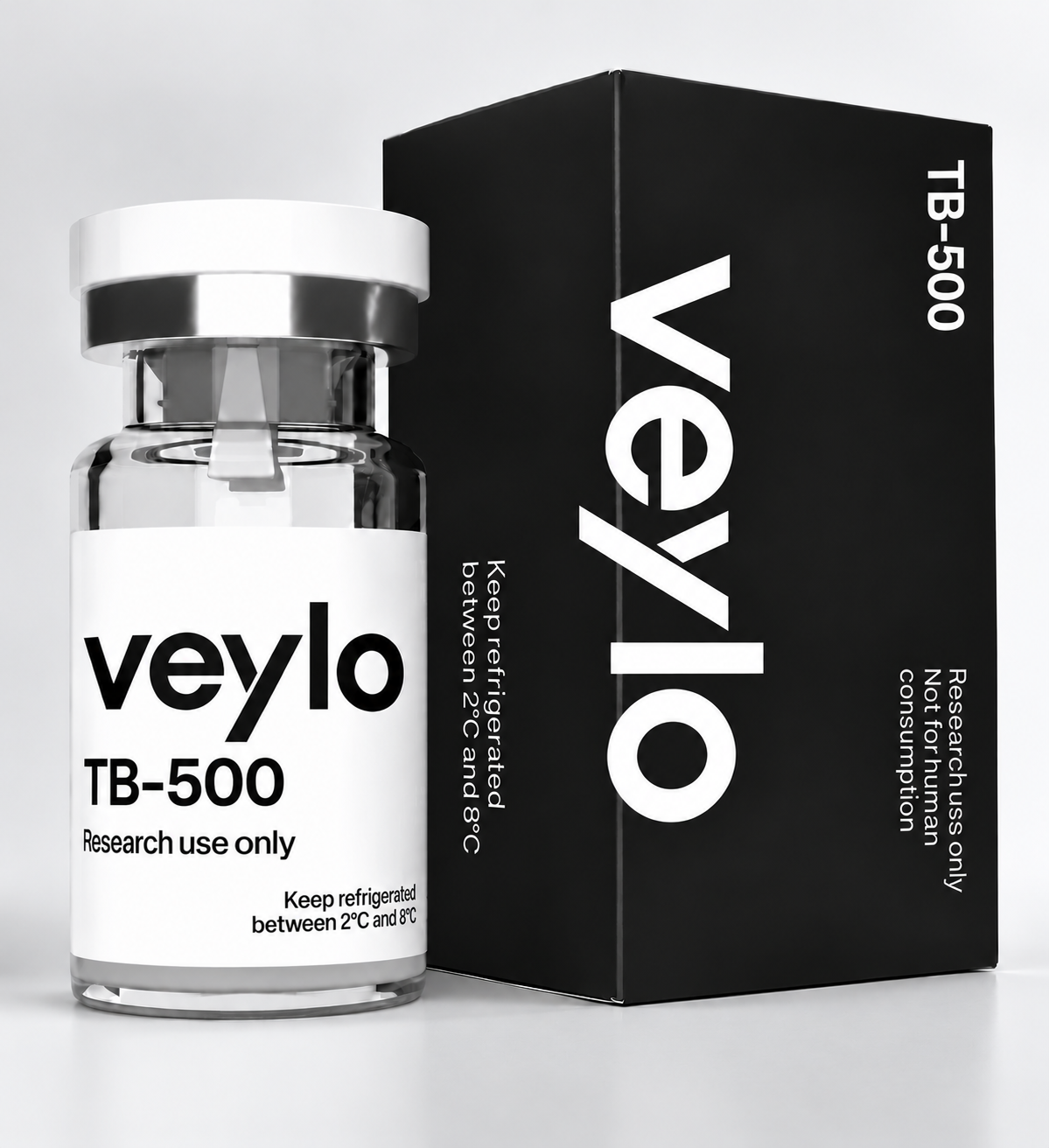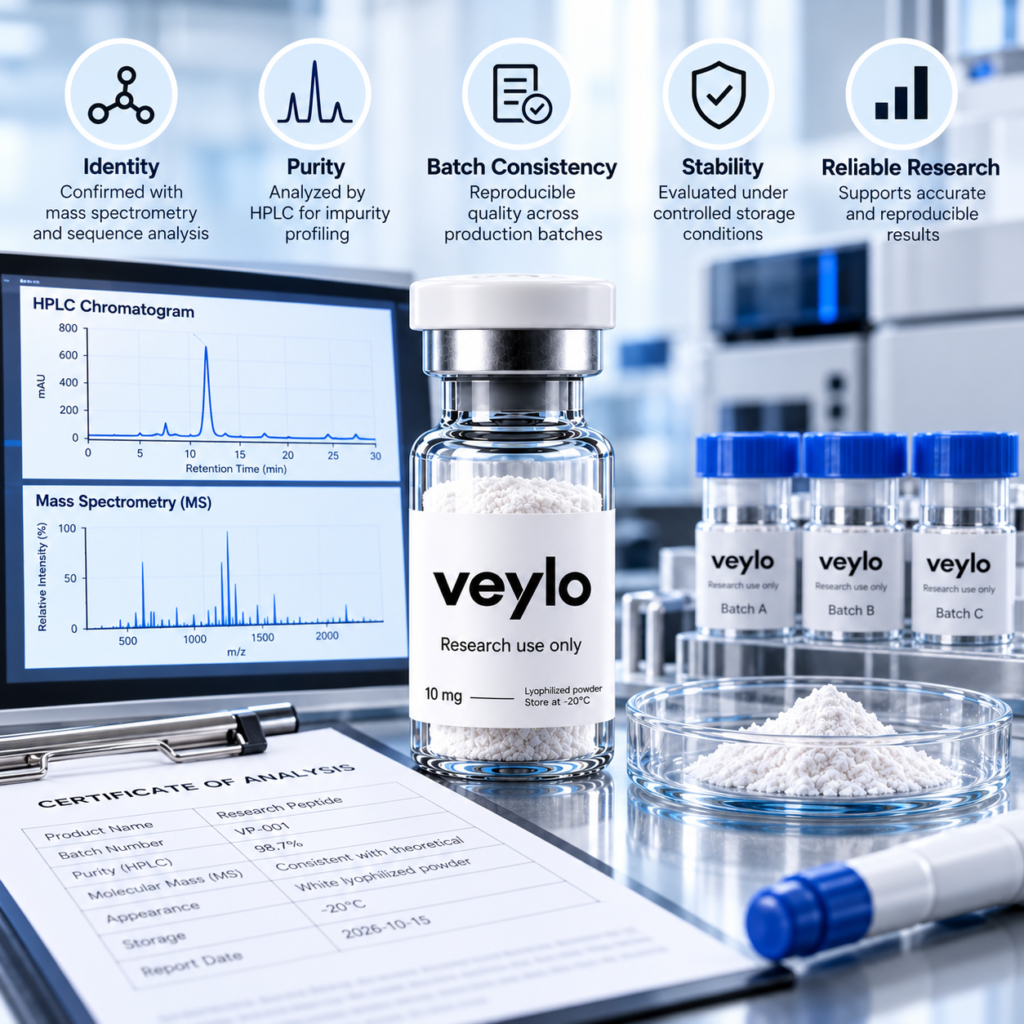
Quality control is an essential component of reliable peptide research. Whether peptides are used in biochemical analysis, molecular investigations, or experimental laboratory studies, understanding their composition and consistency helps researchers produce meaningful results. Synthetic peptides are manufactured through processes that can introduce impurities, chemical modifications, and variations between production batches. These differences may affect experimental […]
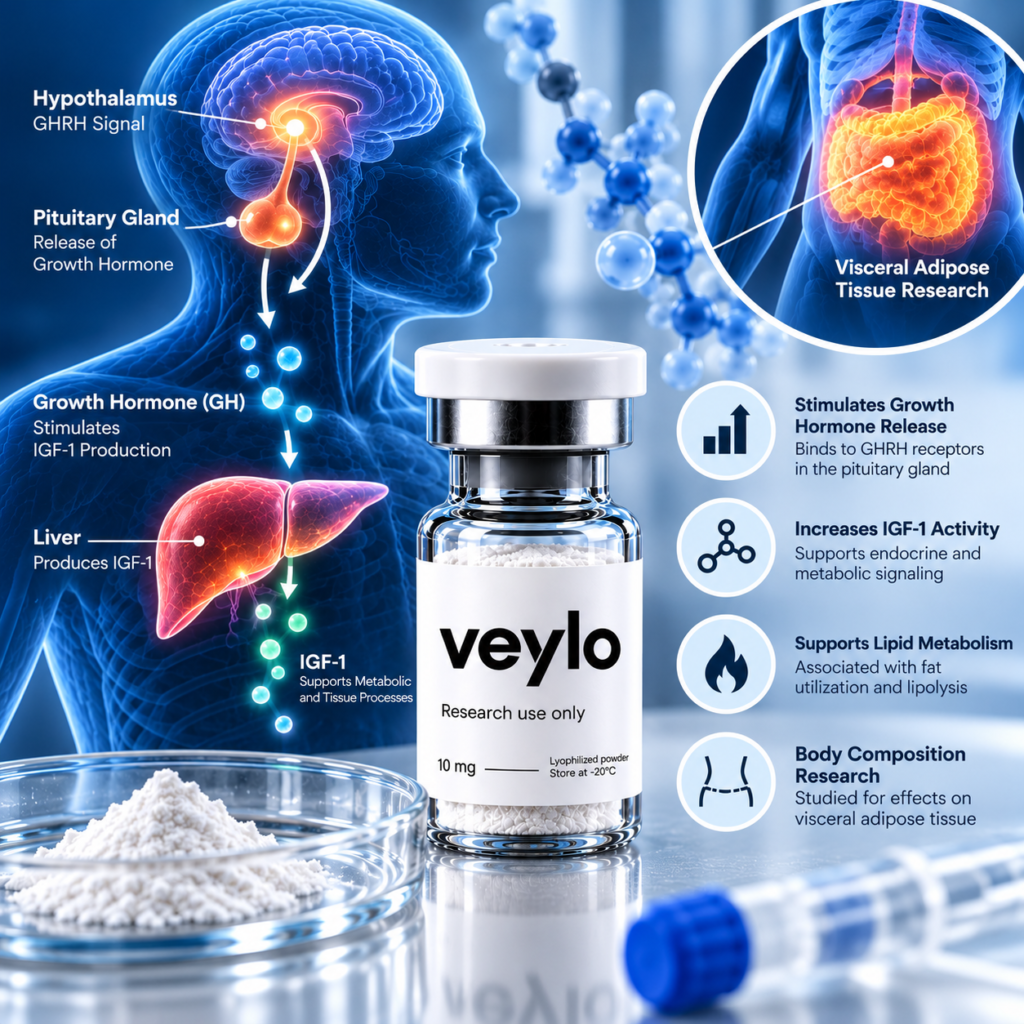
Tesamorelin is a synthetic peptide analog of growth hormone–releasing hormone (GHRH) that has been studied for its effects on growth hormone signaling, insulin-like growth factor 1 (IGF-1) activity, and body-composition-related metabolic pathways. Because it interacts with the endocrine system through a defined receptor-mediated mechanism, tesamorelin has become a useful subject in research involving pituitary signaling, […]
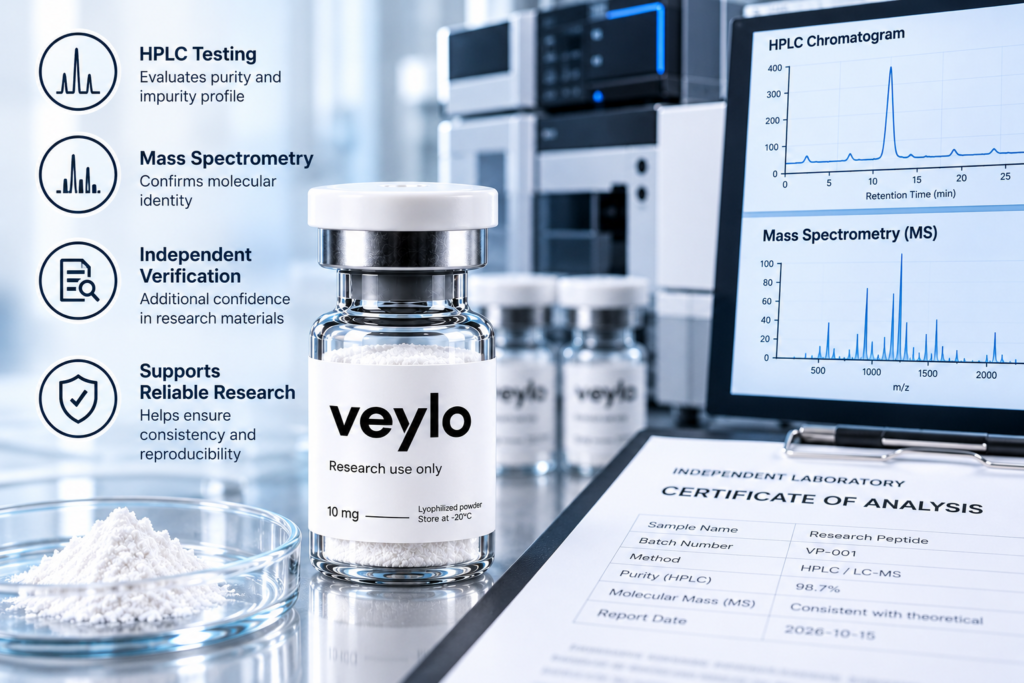
Third-party testing plays an important role in evaluating the identity, purity, and analytical characteristics of research peptides. As laboratories increasingly rely on synthetic peptides for biochemical and molecular investigations, independent verification can help provide additional confidence in the materials used in scientific experiments. Research peptides may contain impurities, degradation products, or unexpected molecular components that […]

Retatrutide is an investigational peptide that has attracted significant scientific attention because of its interaction with three hormone receptors involved in metabolic regulation. Unlike compounds that activate a single receptor pathway, retatrutide is designed to activate receptors associated with glucagon-like peptide-1 (GLP-1), glucose-dependent insulinotropic polypeptide (GIP), and glucagon. This triple-receptor activity has made retatrutide an […]
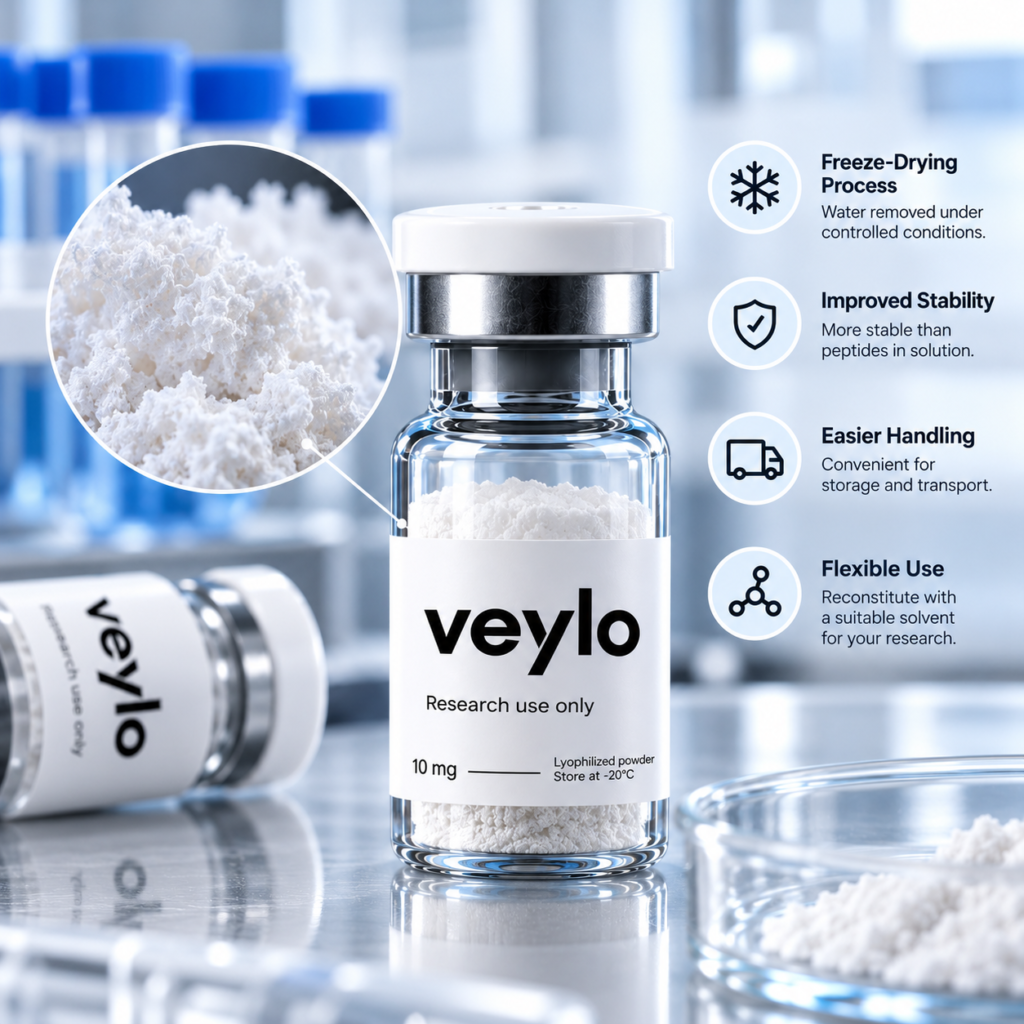
Lyophilized peptides are common in laboratory research because freeze-drying can help improve material stability during storage and handling. Many research peptides are supplied in this form as a dry powder or solid residue inside sealed vials. Understanding what lyophilization does, why it is used, and how it affects research materials is important for maintaining consistency […]

MOTS-c is a mitochondrial-derived peptide that has attracted scientific interest for its potential role in cellular metabolism, energy regulation, and biological responses to metabolic stress. Unlike many peptides associated with conventional cellular signaling pathways, MOTS-c belongs to a group of small molecules encoded within mitochondrial DNA. Researchers have investigated its involvement in metabolic homeostasis, skeletal […]

Proper storage and handling are essential factors in maintaining the integrity of research peptides. Because peptides are composed of amino acid sequences with different chemical characteristics, their stability can vary considerably depending on environmental conditions and molecular structure. Temperature, moisture, light exposure, and solution composition can all influence peptide stability over time. Understanding these factors […]
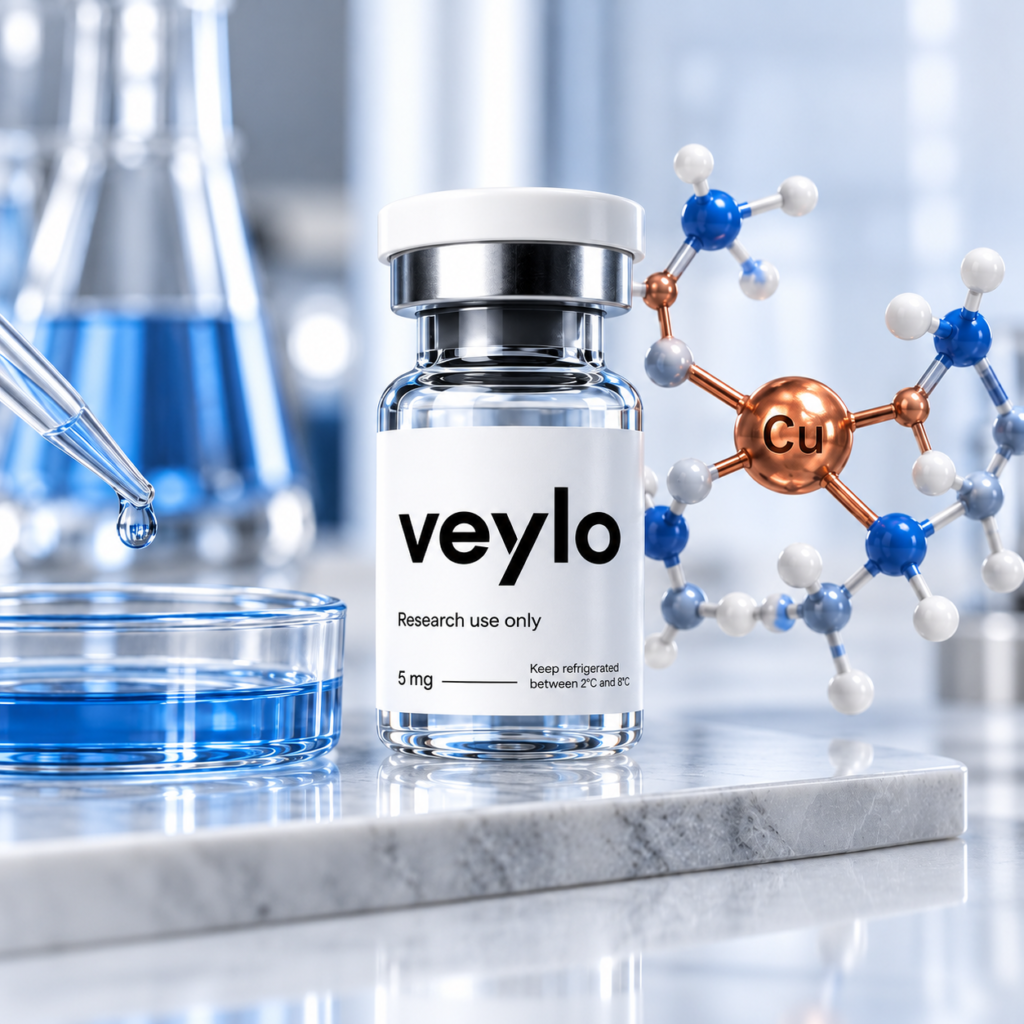
GHK-Cu is a peptide-copper complex that has been studied in several areas of laboratory research, especially in relation to skin biology, extracellular matrix activity, and cellular signaling. Researchers have examined GHK-Cu in preclinical settings to better understand how it interacts with biological systems involved in tissue maintenance, remodeling, and repair. Because of these research interests, […]

BPC-157 is a synthetic peptide that has attracted scientific interest because of its reported biological activity in experimental models involving tissue repair, cellular signaling, and inflammatory responses. Researchers have investigated BPC-157 in laboratory and animal studies to better understand its interactions with biological pathways associated with tissue integrity and recovery. Although preclinical findings have generated […]
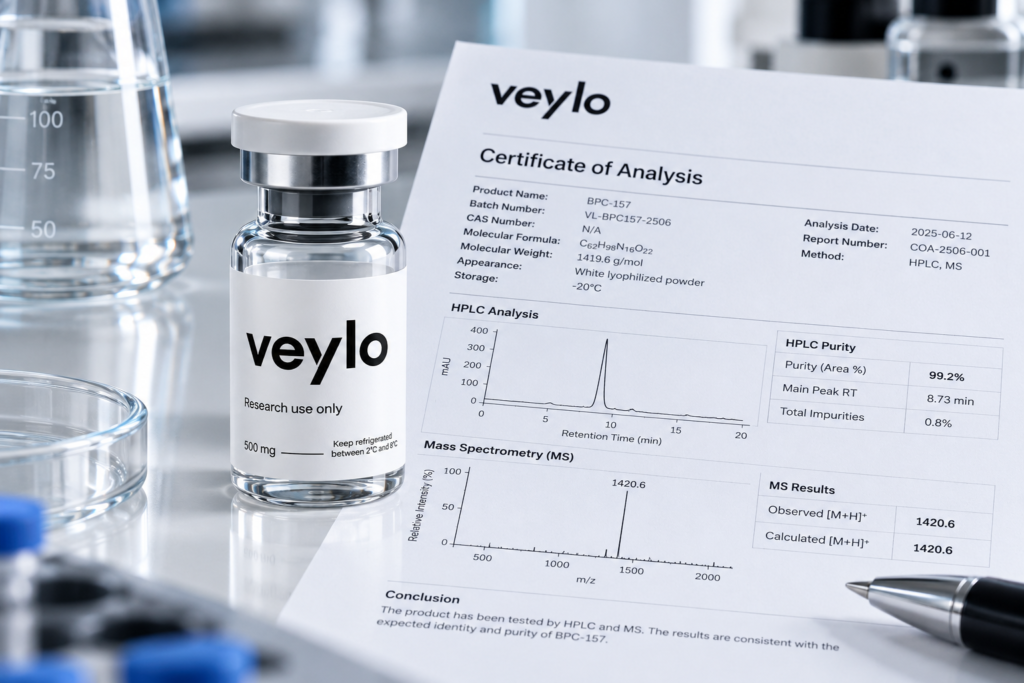
A Certificate of Analysis (COA) is an important document in laboratory research. It details the analytical testing performed on a specific material and helps researchers evaluate its reported characteristics. For research peptides, a COA may include information about molecular identity, purity, analytical methods, and batch-specific testing results. However, not every Certificate of Analysis contains the […]