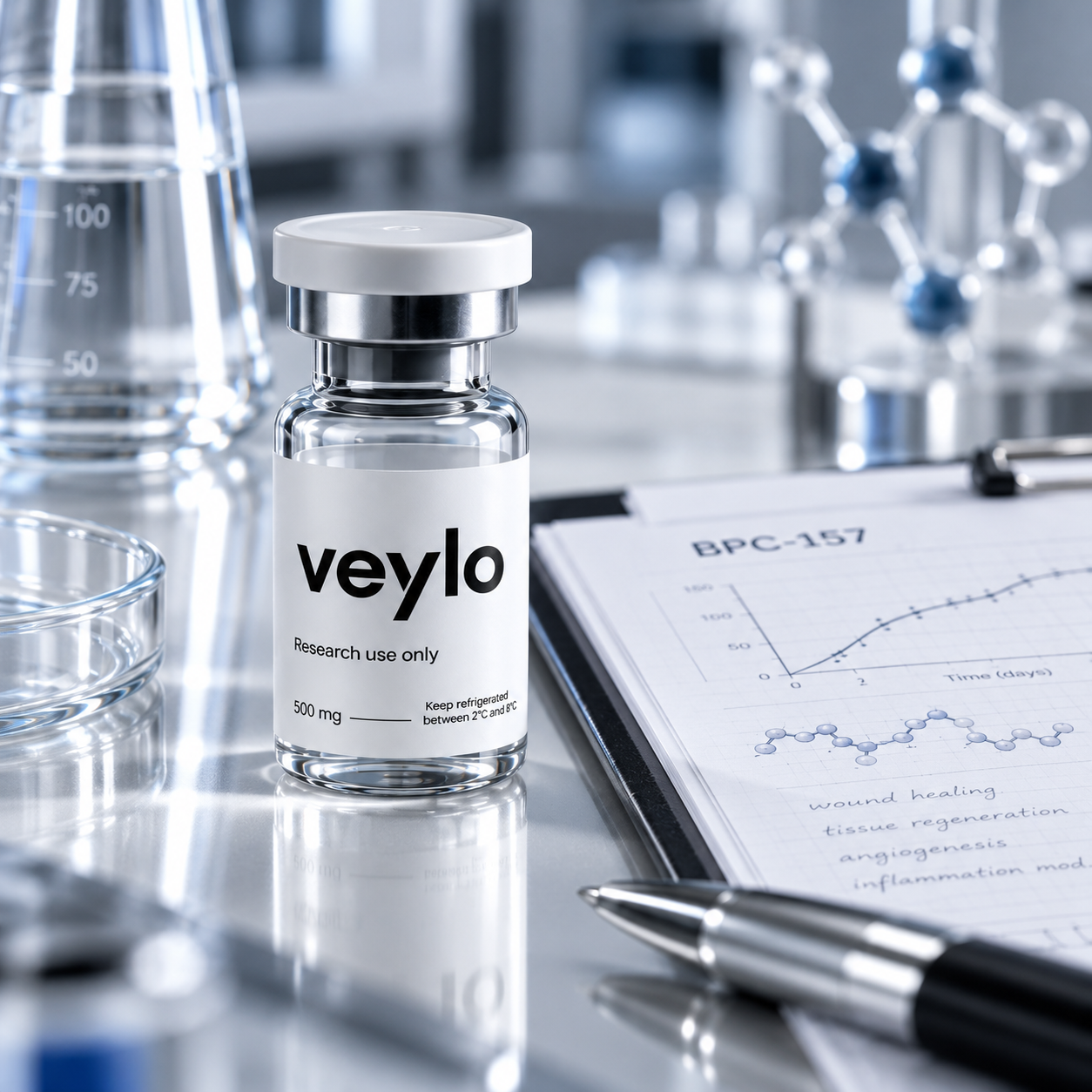
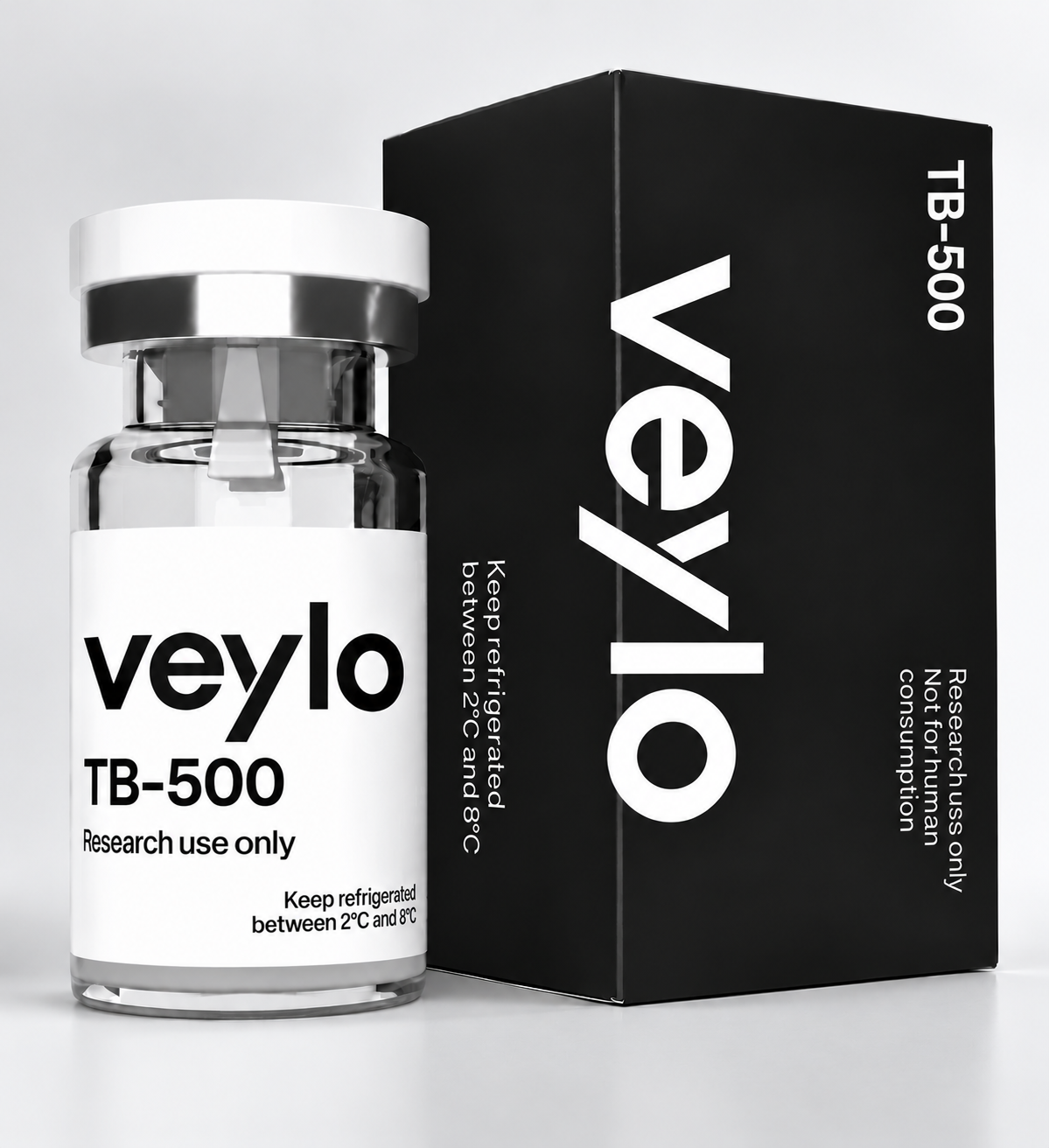
BPC-157 is a synthetic peptide that has attracted scientific interest because of its reported biological activity in experimental models involving tissue repair, cellular signaling, and inflammatory responses.
Researchers have investigated BPC-157 in laboratory and animal studies to better understand its interactions with biological pathways associated with tissue integrity and recovery.
Although preclinical findings have generated interest, the available human evidence remains limited, and many questions about its mechanisms, safety, and potential applications remain unanswered.
This article explores the molecular characteristics of BPC-157, major areas of preclinical investigation, and the current limitations of the scientific evidence.
What Is BPC-157?
BPC-157, commonly referred to as Body Protection Compound-157, is a synthetic peptide composed of 15 amino acids.
It is frequently described in scientific literature as a gastric protein-derived peptide because its development was associated with research into protective compounds found in the gastrointestinal environment.
Like other peptides, BPC-157 consists of amino acids connected through peptide bonds, forming a defined molecular structure.
Its amino acid sequence is:
Gly-Glu-Pro-Pro-Pro-Gly-Lys-Pro-Ala-Asp-Asp-Ala-Gly-Leu-Val
Researchers have investigated this sequence for its potential interactions with cellular signaling mechanisms involved in inflammation, blood vessel formation, and tissue repair.
However, identifying biological activity in experimental models does not establish effectiveness or safety in humans.
Why Is BPC-157 Studied?
Scientific interest in BPC-157 originates primarily from preclinical investigations examining biological responses to tissue damage and physiological stress.
Research has explored its potential influence on several biological processes, including:
- Cellular signaling and communication
- Angiogenesis, or the formation of new blood vessels
- Fibroblast activity and tissue remodeling
- Inflammatory signaling pathways
- Gastrointestinal tissue integrity
- Musculoskeletal tissue responses
These investigations aim to characterize how the peptide interacts with biological systems and whether its observed effects can be reproduced across different experimental models.
BPC-157 and Tissue Repair Research
One of the most frequently investigated areas of BPC-157 research involves tissue repair mechanisms.
Preclinical studies have examined its effects in experimental models of tendon, ligament, muscle, and other tissue injuries.
Tendon and Ligament Research
Tendons and ligaments are connective tissues that contribute to movement and joint stability.
Their structural characteristics and relatively limited blood supply can influence how they respond to injury.
Animal studies involving BPC-157 have reported changes in tissue organization, cellular activity, and mechanical characteristics during experimentally observed repair processes.
Researchers have proposed that these responses may involve signaling pathways associated with fibroblast migration, blood vessel formation, and extracell